.svg)


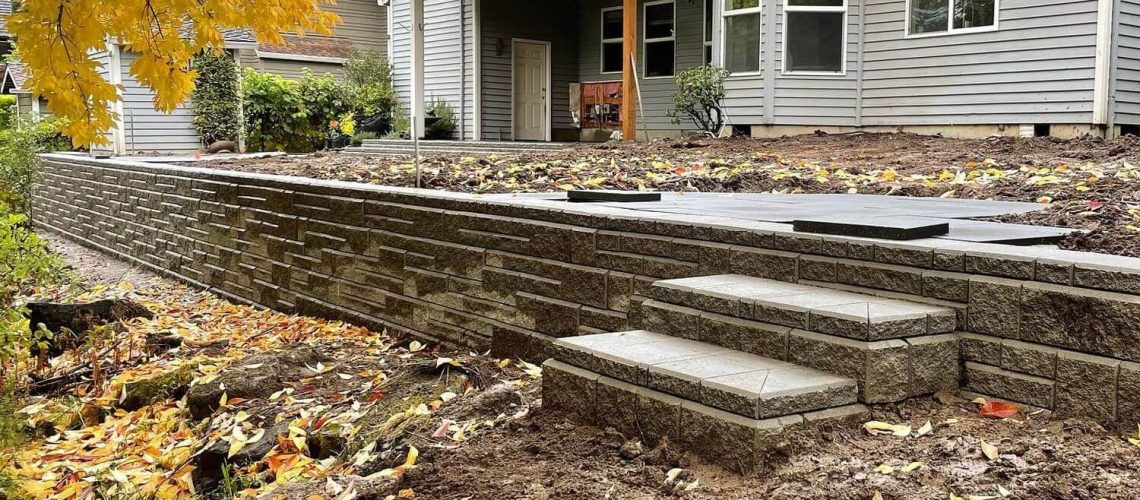
If your yard has uneven ground, soil erosion, or drainage issues, a retaining wall may be more than just an upgrade—it could be a necessity. Many homeowners don’t realize they need a retaining wall until small issues turn into costly problems.
Understanding the signs early can help you protect your landscape, improve functionality, and enhance the overall appearance of your outdoor space.
What Is a Retaining Wall and Why Does It Matter?
A retaining wall is a structural feature designed to hold back soil and prevent it from shifting or eroding. It’s commonly used in sloped yards, but it can also be a valuable addition to flat properties experiencing drainage or soil movement issues.
Beyond functionality, a professionally installed retaining wall can also add depth, structure, and visual appeal to your landscape.
Sign #1: Your Yard Has Slopes or Uneven Ground
One of the most obvious signs you need a retaining wall is a sloped yard. When your property isn’t level, water and soil naturally move downhill, which can lead to erosion and instability.
A retaining wall helps create level areas, making your yard more usable while preventing soil from washing away during heavy rain.
Sign #2: Soil Erosion Is Becoming a Problem
If you notice soil collecting at the bottom of your yard or areas where grass struggles to grow, erosion is likely occurring.
Erosion doesn’t just affect the look of your yard—it can also weaken the structure of your landscape over time. Installing a retaining wall is one of the most effective ways to stop erosion and stabilize your property.
Sign #3: Water Is Pooling in Certain Areas
Drainage issues often go hand-in-hand with the need for a retaining wall. If water tends to collect in specific areas of your yard, it may be due to poor grading or soil movement.
A retaining wall, when combined with proper drainage solutions, helps redirect water and prevent pooling. This not only protects your lawn but also reduces the risk of foundation damage.
Sign #4: You Want to Maximize Usable Space
Sloped yards can limit how much of your outdoor space you can actually use. A retaining wall allows you to create flat, functional areas for patios, seating, or landscaping features.
This is especially valuable for homeowners looking to upgrade their backyard into a more enjoyable and practical space.
Sign #5: Your Landscaping Features Are Shifting
If you have existing features like flower beds, walkways, or patios that seem to be shifting or sinking, unstable soil may be the cause.
A retaining wall provides the support needed to keep these elements in place, ensuring your landscaping stays intact and looks its best over time.
Benefits of Installing a Retaining Wall
Choosing to install a retaining wall offers more than just a fix for current issues. It provides long-term benefits that improve both the function and value of your property.
A properly built retaining wall:
- Prevents soil erosion
- Improves drainage
- Creates usable outdoor space
- Enhances curb appeal
- Adds structural support to your landscape
When designed correctly, it becomes both a functional and decorative feature in your yard.
Why Professional Installation Matters
While retaining walls may seem straightforward, proper design and installation are critical. Factors like soil type, drainage, and wall height all play a role in ensuring the structure lasts.
A professionally installed retaining wall is built to handle pressure, prevent failure, and integrate seamlessly with your overall landscape design.

If you’re dealing with slopes, erosion, or drainage problems, a retaining wall can be a game-changer for your yard. Addressing these issues early not only protects your property but also opens the door to better design and functionality.
At Broadstone Landscape, we create custom retaining walls that are built for durability, performance, and style. Whether you’re solving a problem or upgrading your outdoor space, our team is ready to bring your vision to life.
.svg)


.svg)